Frequency
About three sessions
Many programs use three sessions per week. Regular movement beats one crash day.
Did you know?
Moving your body can heal your soul.
Did you know that moving your body can be the key to restoring your mind and your soul? Most people never learn that motion changes the brain. Movement can help recovery from addiction, abuse, gambling, drugs, alcohol, sex, codependency, and the things that keep people stuck. Walk, ride, hike, lift, breathe outside. Learn more below. Click and start.
Simple wins you can act on today. No jargon. No guilt.
Start with one walk. If you already walk, try jogging. If you jog, try running. If you work out twice a week, try three times. Small steps build a life.
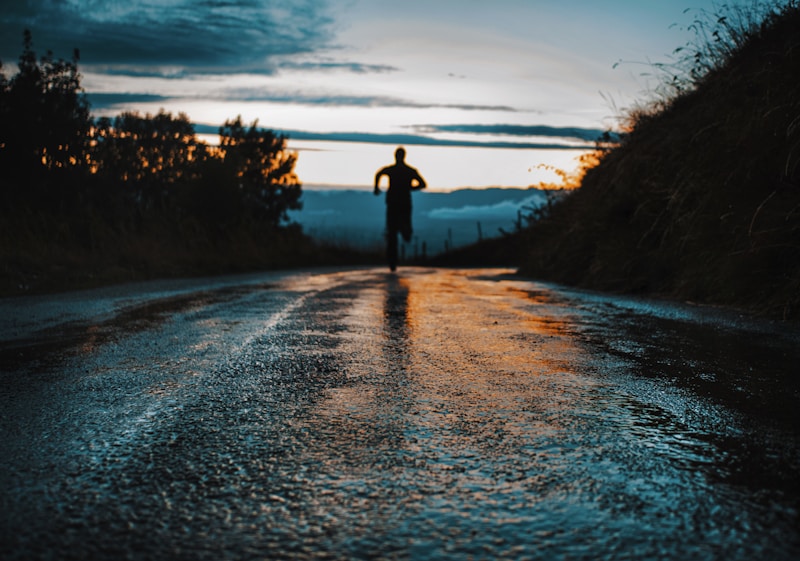
Outside pulls you away from the room where old habits lived. Sky and horizon are real inputs. Your nervous system notices. If you feel defeated, do not wait to feel ready. Just walk.
Research connects movement with better mood, lower stress, and stronger routines. That is not a promise. It is a good reason to take one step today.
Say it out loud to a friend. Ask someone to walk with you. Recovery gets stronger when you do not carry it alone.
Three ideas that show up again and again. Each one points back to the same truth: movement can help.
Frequency
Many programs use three sessions per week. Regular movement beats one crash day.
Brain chemistry
Activity can help the brain build new patterns. That matters when old habits have been strong for a long time.

Stress & sleep
Aerobic rhythm supports stress hormones and sleep for many people. That matters when cravings spike at night.
Some studies show real improvement when people add movement to recovery.
Studies measure several sessions per week, not one huge workout.
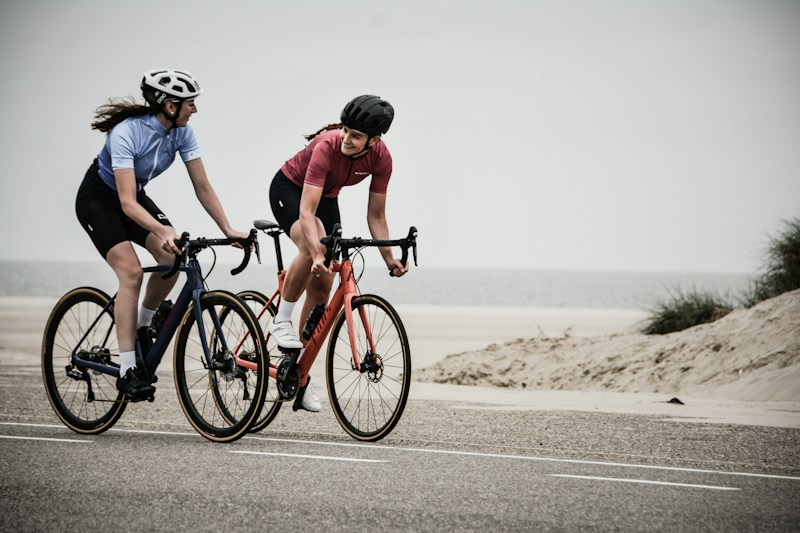
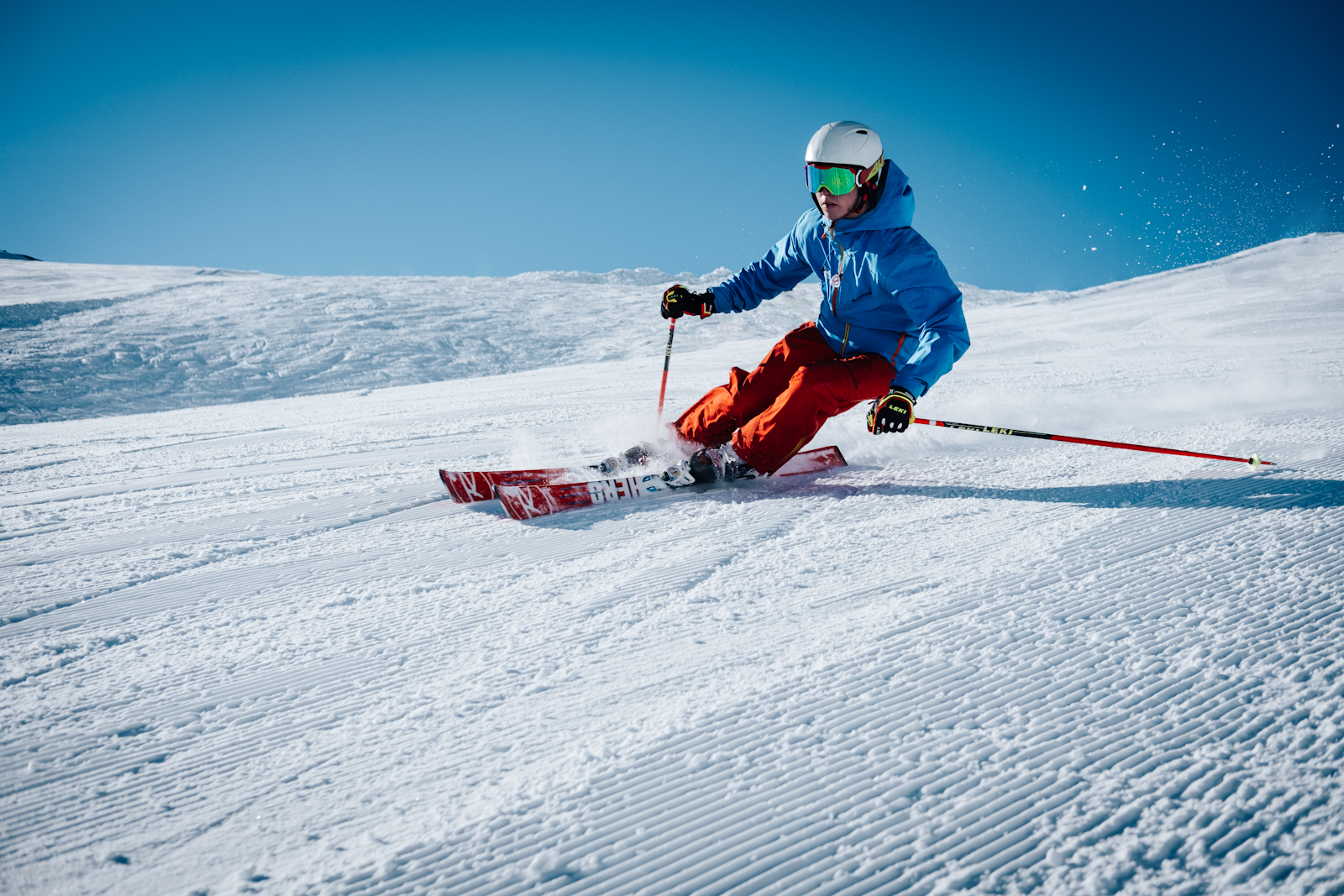
We push trails, roads, and parks where movement also changes the scene.
If you have health concerns, start slow and ask someone you trust for wise guidance.
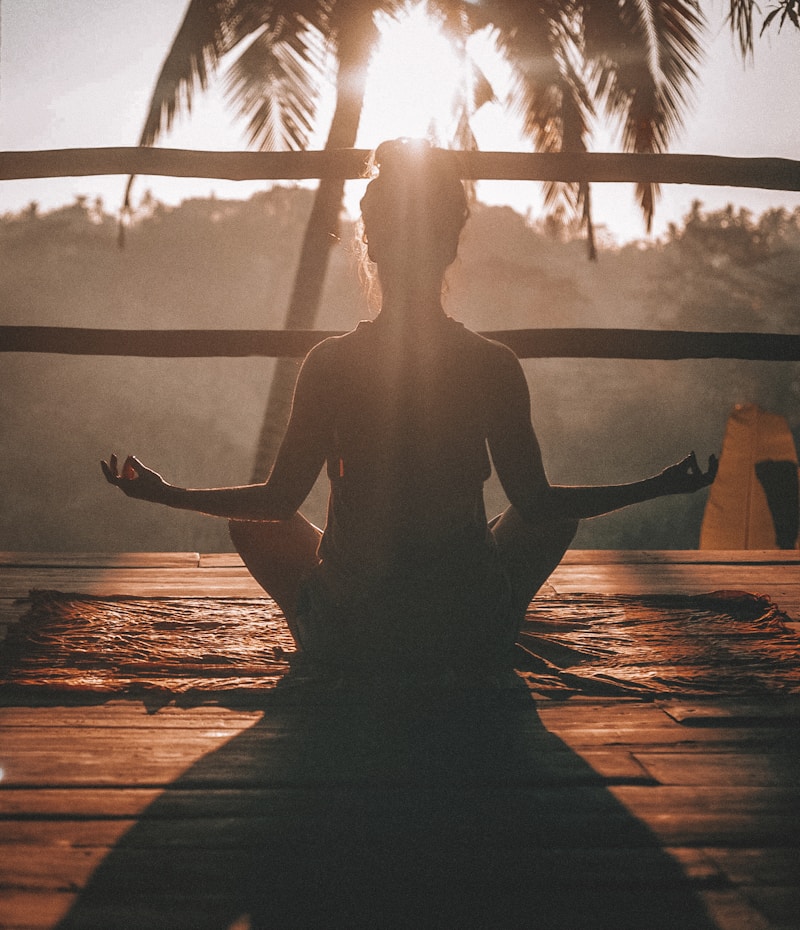
You may be rebuilding after gambling, drugs, alcohol, sex addiction, codependency, abuse, anxiety, or grief. Start with the body you have. A short walk, a slow climb, or twenty easy minutes on a bike can help you begin again.
Skip the shopping spree. Build a rhythm you can repeat: outside when you can, gentle when you must.
Change your whole life by changing your physical habits. It really is that easy. Not a gimmick. Patterns from trials when people add three or more moderate exercise sessions weekly.

Nights may feel more predictable. Short walks or light sessions anchor the day.
Legs and lungs catch up. Slots for walking, riding, or the gym start to stick. Stress spikes may shorten.
People who keep moving often report better daily life. The win is simple: you start to trust your body again.
You belong here. Rebuilding after addiction, anxiety, or years on the couch, open-air movement tells your nervous system it can engage again.
Move Into Recovery
Clear answers to help people get started moving more.
Yes. Movement can help mood, sleep, stress, and daily rhythm. Walking, hiking, cycling, and training outdoors can work beside community, prayer, and the support you already have.
Start with something repeatable. Walk outside. Ride easy. Hike a local trail. Train lightly. Three steady sessions beat one huge day.
There are many apps that help people move and most of them have some sort of connection feature. Share your story, ask for prayer, suggest a study, or tell us how this movement can support you.
Sometimes finding the smallest thing to add to your routine can be the most important thing you do. Wearing a weighted vest while you shop, or talking a walk around the block before you come instide after work. Use what you have. Start where you are.
One step can become one walk. One walk can become a routine. A routine can help you take control of your life.
Movement is medicine. It will not fix everything in one day, but it can help you sleep, breathe, think, and choose your next right step.
We want you to move. Learn the science. Learn the research. Get active. Take control of your life. Moving can help.